
Alcohol-related dementia: what it is, and why it isn't Alzheimer's
Published on 23 September 2026·Updated on 20 October 2026·8 min read
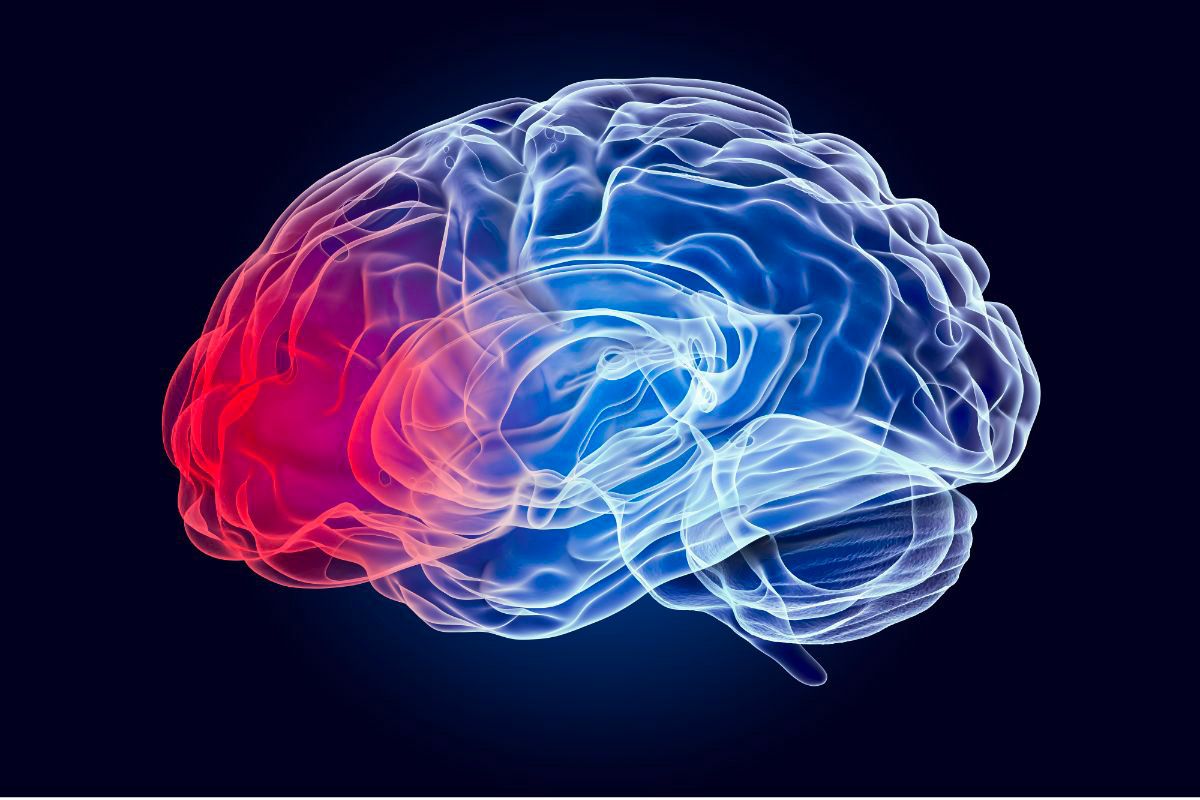
Memory lapses that become a pattern, struggling to plan a day, changes in behaviour in a loved one who has been drinking for years: these signs are worrying, and the word “dementia” is frightening. Yet it covers something very different from neurodegenerative diseases. In this article, Reset Laser explains what specialists now call alcohol-related neurocognitive disorders, what sets them apart from Alzheimer’s, and why some of this damage can improve.
🔑 KEY TAKEAWAYS
- Specialists now speak of alcohol-related neurocognitive disorders rather than alcoholic dementia [1].
- Alcohol is involved in at least 10% of dementia cases and is the 4th leading cause before the age of 65 [1].
- Two mechanisms combine: the toxicity of alcohol and vitamin B1 deficiency [2].
- Wernicke's encephalopathy is an emergency; its full triad appears in only 8 to 17% of cases [2].
- Unlike Alzheimer's, these disorders can stabilise, or even recede, after prolonged abstinence [1].
An old term, a more nuanced reality
The expression “alcoholic dementia” is still widely used, but recent research prefers the term severe alcohol-related neurocognitive disorders [1]. This change of wording is not cosmetic: it reflects a medical observation we will come back to, namely a real potential for stabilisation, and sometimes improvement, after prolonged abstinence [1].
The scale of the problem is little known to the general public. Chronic alcohol use is involved in at least 10% of dementia cases, and it is the fourth leading cause of early-onset dementia in people under 65 [1].
Historically, the group most affected has been men aged 45 to 65. Women, however, are vulnerable earlier, with severe damage possible from the age of 35 at comparable levels of drinking [1]. This difference comes down to metabolism, not behaviour.
Two mechanisms that add up
Alcohol-related brain damage results from two separate processes that build on each other [2].
The direct toxicity of alcohol. Ethanol quickly crosses the barrier between the blood and the brain, settles into the membranes of neurons and disrupts how they work [2]. Over the long term, it causes atrophy that mainly affects the prefrontal regions and the cerebellum, in other words the areas responsible for planning, judgement and balance [1].
Vitamin B1 deficiency. This is the least known mechanism, and the most decisive. Thiamine, or vitamin B1, drives the energy metabolism of brain cells. In someone who drinks heavily, it runs short for three combined reasons: a poorer diet, impaired absorption in the gut and disrupted use by alcohol itself [2].
When this deficiency becomes severe, it does not cause a slow decline: it triggers an emergency.
Want to cut down or stop drinking?
Laser auricular reflexology supports your journey, alongside your doctor’s care. A single session of about one hour, with personalised follow-up for 12 months.
Wernicke-Korsakoff syndrome
This syndrome is the classic manifestation of vitamin B1 deficiency. It unfolds in two stages [3].
The acute phase: Wernicke’s encephalopathy
This is an absolute medical emergency. If it is not managed in time, it leaves permanent long-term after-effects in around 80% of the people who survive it [2].
The classic description combines three signs: a state of confusion, problems with eye movements and difficulty keeping one’s balance when walking. One point is crucial for family and friends: this full triad is found in only 8 to 17% of confirmed cases [2]. In other words, waiting for all three signs before worrying means missing more than eight situations out of ten.
Faced with unusual confusion, an unsteady gait or eyes that no longer track normally in someone who drinks heavily, the course of action is simple: call the emergency services or a doctor straight away. Medical care relies on urgently giving vitamin B1, and every hour counts.
The chronic phase: Korsakoff syndrome
When the acute phase has not been managed in time, the lesions become fixed in deep brain structures involved in memory [3].
The picture combines an inability to form new memories, partial loss of older memories, and confabulation: without realising it, the person fills the gaps in their memory with made-up stories that they believe are true. These confabulations are neither lies nor bad faith. Understanding this completely changes the relationship with a loved one who is affected.
The first warning signs
Before this stage, subtler signals often appear. They are easily put down to tiredness, stress or age.
Repeatedly forgetting appointments or recent conversations.
Difficulty organising a task with several steps, managing a budget or following a recipe.
Loss of initiative, apathy, losing interest in usual activities.
Irritability or unusual changes in behaviour.
Balance problems, falls, a change in the way of walking.
Neglecting meals and personal hygiene.
None of these signs is enough on its own, and none can be assessed from an article. They do, however, warrant talking to a doctor, who alone can evaluate the situation. Our article on the signs of alcoholism covers the earlier indicators of problem drinking.
How it differs from Alzheimer's disease
This is the point we wanted to address first, because it offers hope and is rarely explained.
Alzheimer’s disease is a primary neurodegenerative disease: it progresses steadily and the decline does not reverse. Alcohol-related neurocognitive disorders follow a different logic. They have significant potential to stabilise, and even to reverse partly or fully, after prolonged abstinence and appropriate medical care [1].
Two caveats apply. Reversal is not certain, and it depends closely on the stage at which the person stops drinking: the established lesions of Korsakoff syndrome are lasting. And telling the two conditions apart is not always simple, as a neurodegenerative disease can coexist with the effects of alcohol [4]. Only a specialist medical assessment can sort this out.
The message remains clear, though: in someone who has been drinking for a long time and has cognitive problems, stopping genuinely changes the outlook. It is not too late.
What stopping drinking changes
A word of caution first: in someone who is physically dependent, stopping abruptly can cause serious complications, and it must be done under medical supervision [5]. This is all the more true when cognitive problems are already present.
Stopping brings a gradual recovery on several fronts: nutritional deficiencies are corrected, sleep improves, and attention and memory partly recover. This recovery is slow and stretches over months, which makes long-term support decisive.
Supporting a loved one
A few pointers that help families:
Don’t argue with confabulations. They are not deliberate. Gently steer the conversation back, without confrontation.
Simplify the environment. Visual cues, stable routines, a calendar in plain sight.
Go through the family doctor rather than trying to persuade them on your own.
Get help for yourself too. In France, resources exist for family and friends, notably through Alcool Info Service [6].
Reset Laser support
When the situation is not a medical emergency and the person wants to stop, the laser auricular reflexology offered in our centres targets the physical side of the urge to drink: a session of about one hour, stimulating reflex points on the ear with a soft low-intensity laser, without medication. It comes with 12 months of support and a free support session in the event of a relapse. This commercial commitment is an obligation of means and cannot be taken as a promise of results, as success also depends on each client’s personal determination.
This support complements medical follow-up and never replaces it. If cognitive problems are present, seeing a doctor comes first.
Find out about our support for quitting alcohol or book an appointment at a centre.

OUR EXPERT’S ADVICE
Dr. Erick Hernández Jurado — General Medicine, Laser Auriculotherapy, Addiction Treatment
« A piece of advice that has nothing to do with our sessions but can really help: if you take a loved one to A&E or to the doctor because they are confused, say straight away that they have been drinking regularly for a long time. Many families do not dare to, out of modesty or loyalty, and the condition is then put down to drunkenness. This information guides the care they receive, particularly towards the question of vitamin B1. Also note the date of the first changes you noticed: it is almost always the next question. »
Frequently asked questions
What kind of dementia is caused by alcohol?
Specialists speak of severe alcohol-related neurocognitive disorders. Their most characteristic form is Wernicke-Korsakoff syndrome, linked to vitamin B1 deficiency [3].
Can you recover from alcohol-related dementia?
Some of the disorders can stabilise and sometimes recede after prolonged abstinence and appropriate medical care [1]. The established lesions of Korsakoff syndrome, on the other hand, are lasting. Only a medical assessment can evaluate a given situation.
What are the symptoms of Korsakoff syndrome?
An inability to retain new information, partial loss of older memories and confabulation, that is, stories made up unintentionally to fill gaps in memory [3].
What are the first signs of alcohol-related cognitive problems?
Frequent forgetfulness, difficulty getting organised, loss of initiative, irritability, balance problems. These signs are not very specific and call for a medical opinion rather than self-assessment.
📚 Sources
- Naassila M., Altérations cérébrales et troubles cognitifs liés à l'usage d'alcool : du binge drinking au syndrome de Korsakoff (Brain alterations and cognitive disorders linked to alcohol use: from binge drinking to Korsakoff syndrome), Alcoologie et Addictologie / Société Française d'Alcoologie. sfalcoologie.fr
- Collège des Enseignants de Neurologie, Addiction à l'alcool : complications neurologiques de l'alcoolisme (Alcohol addiction: neurological complications of alcoholism), accessed on 06/08/2026. cen-neurologie.fr
- Société Française d'Alcoologie, Le syndrome de Wernicke-Korsakoff (Wernicke-Korsakoff syndrome), summary sheet, accessed on 06/08/2026. sfalcoologie.fr
- Addict'Aide, Troubles cognitifs sévères liés à l'alcool : et si derrière Korsakoff se cachait Alzheimer ? (Severe alcohol-related cognitive disorders: what if Alzheimer's were hiding behind Korsakoff?), accessed on 06/08/2026. addictaide.fr
- SRAE Addictologie Pays de la Loire, Sevrage alcool ambulatoire : protocole (Ambulatory alcohol withdrawal: protocol), 2022. srae-addicto-pdl.fr
- Alcool Info Service, Vivre avec une personne atteinte de troubles cognitifs sévères liés à l'alcool (Living with a person with severe alcohol-related cognitive disorders), accessed on 06/08/2026. alcool-info-service.fr
This article is for information only and does not replace the advice of a healthcare professional. Laser auricular reflexology is a non-medical support method.
Ready to take the leap?
Join the thousands of people supported by Reset Laser in taking back control over alcohol.