What are the effects of tobacco on muscles?
When the dangers of smoking are mentioned, the images that immediately come to mind are those of clogged lungs or tired hearts. Yet there is an equally vital system that bears the full brunt of cigarette attacks: the musculoskeletal system. Whether you are a top-level athlete, a fitness enthusiast or simply concerned about your daily mobility, the effects of tobacco on muscles are a major obstacle to your physical fulfilment.
Tobacco acts as a real metabolic poison. It does not just reduce your breath, it alters the very structure of your muscle fibres, slows down their growth and sabotages their recovery capacity. In this article, our Reset Laser experts decipher for you the biological mechanisms that explain why cigarettes and muscles are structurally incompatible.
Reduced blood oxygenation
When a person smokes, it affects the transport of oxygen in their body. Yet, in order to contract, regenerate and produce energy, muscles constantly need to receive oxygen (O2).
Each time a smoker inhales a puff of cigarette, they absorb carbon monoxide (CO). This gas acts as a very dangerous intruder: it binds to haemoglobin (which normally transports oxygen in the blood) much more easily than oxygen itself, thereby preventing oxygen from circulating properly in the body.
In other words, CO takes the place of oxygen on the red blood cells in the blood, which leads to:
- Muscle hypoxia: a smoker’s muscles receive less oxygen, even at rest.
- Early fatigue: during physical exercise, the muscle suffocates more quickly, leading to a sharp drop in endurance.
- Lactic acidosis: to compensate for the lack of oxygen, the muscle uses backup energy pathways that produce more lactic acid, causing painful burning sensations and cramps.
This is one of the reasons why quitting smoking from one day to the next allows you to feel, within the first 48 hours, a boost in power and muscle resistance.
Vasoconstriction: how nicotine reduces nutrient supply
If carbon monoxide suffocates the muscle, nicotine starves it. Nicotine is a powerful vasoconstrictor, which means it causes the diameter of the blood vessels to shrink, including the small capillaries that supply tissues and muscle fibres. This creates a real logistical bottleneck, with the following consequences:
- Reduced nutrient supply: reduced circulation leads to a decrease in essential nutrients such as glucose (fuel) and amino acids (building blocks).
- Hindered waste elimination: the toxins and free radicals produced during exercise are removed much more slowly. The muscle bathes in its own waste for longer, which prolongs muscle soreness.
This poor blood circulation is therefore a major obstacle for anyone seeking to optimise their physical condition.
A brake on muscle building and a factor of muscle loss
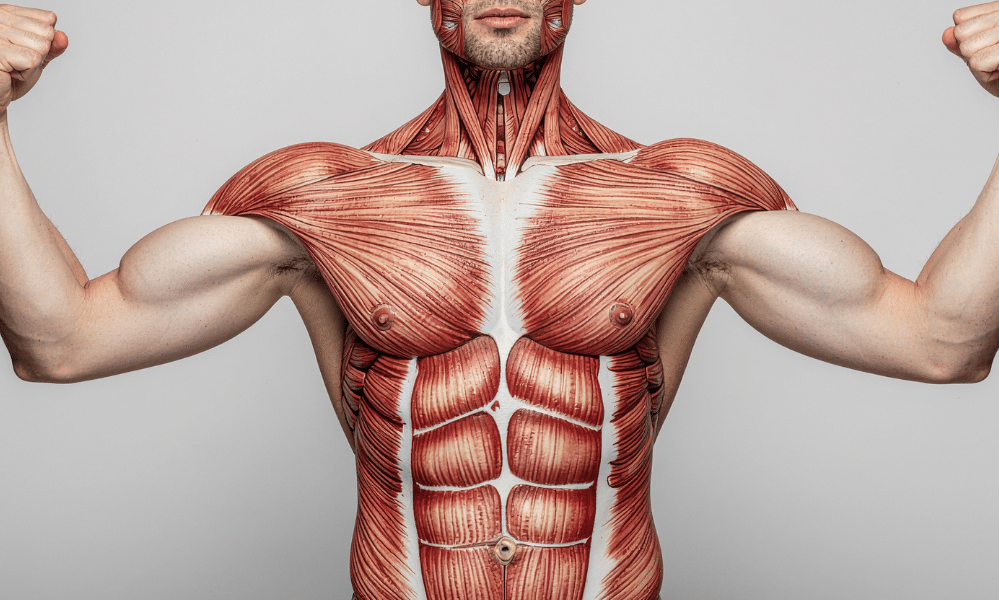
If you do a lot of sport, you certainly know that hypertrophy (i.e. gaining muscle) is a very common goal among athletes. Yet the effect of tobacco on muscles is radically opposed to their growth. Studies and scientific research have shown that smoking directly interferes with the molecular processes of muscle building.
The activation of myostatin
The human body naturally produces myostatin, a protein that limits muscle development. In smokers, this production is amplified, which strongly hinders muscle gain, even with regular and rigorous training.
Systemic inflammation and cortisol
The cigarette keeps the body in a permanent state of inflammation. This leads to an increase in cortisol, the stress hormone, which promotes the breakdown of muscle tissue to produce energy. Over time, this can cause a progressive loss of muscle mass and strength, called sarcopenia.
Tendon fragility and increased risk of injury
Smoking does not only harm the muscles: it also weakens the tendons and ligaments that ensure their support and mobility. The cigarette alters the production of collagen, a protein dedicated to ensuring the strength and flexibility of tissues.
Statistically, it is recognised that smokers present a much higher risk of:
- Chronic tendinitis: the tendons, less well supplied with blood and less rich in collagen, become inflamed at the slightest repeated effort.
- Ruptures and tears: the muscle tissue becomes less elastic and “breaks” more easily during a significant exercise.
- Slow healing: in the event of an injury, the repair process is two to three times longer in a person who smokes, which can transform a small incident into a long-term unavailability.
Link between breath and muscle performance
Nicotine has a direct impact on the lungs because it reduces respiratory capacity. Yet muscle performance closely depends on VO2 max, that is, the maximum amount of oxygen that the body can use during physical exercise.
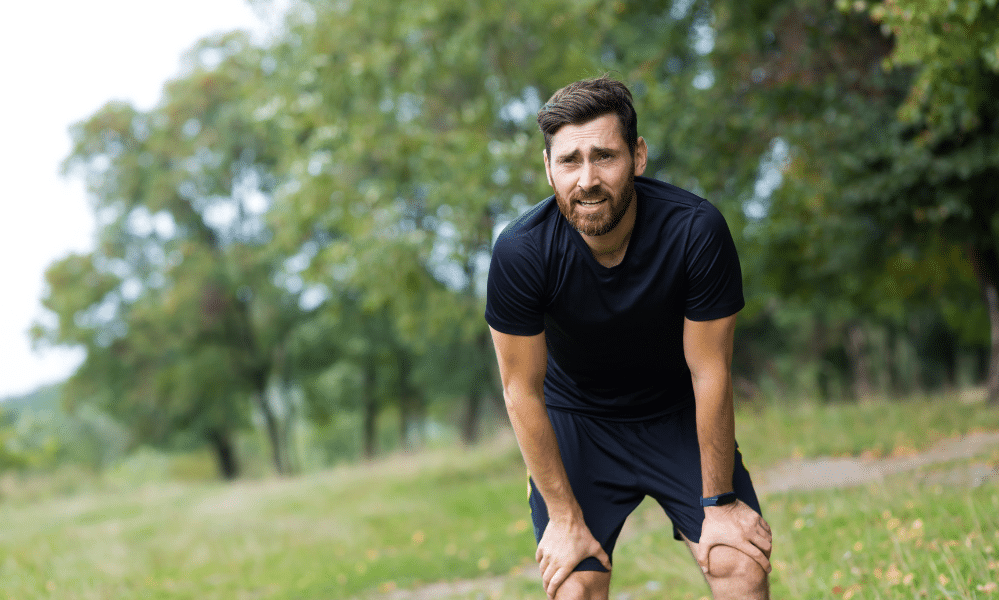
By clogging the bronchi with tar and causing inflammation of the airways, tobacco mechanically limits air intake. Breathing becomes less efficient, shorter and oxygen supply decreases. The result: even during moderate exercise, shortness of breath appears more quickly and fatigue sets in faster.
This decrease in oxygenation has a direct impact on smokers’ performance. Endurance drops, recovery becomes slower and the ability to maintain a prolonged activity is greatly reduced. Even with regular training, progress remains limited as long as the respiratory system is altered.
Conversely, as soon as smoking stops, the respiratory system begins to regenerate. The bronchi gradually clear, inflammation decreases and lung capacity improves. As breathing improves, oxygen supply increases, which makes it possible to optimise physical performance, better withstand effort and recover more efficiently.
A gentle and serene method to quit smoking
The fear of withdrawal, stress or fatigue often blocks athletes in their cessation process. They fear losing their performance during the transition phase. This is where Reset Laser’s expertise changes the game.
The Reset Laser method is particularly suited to active profiles, those who do a lot of sport.
- Effectiveness: in a single one-hour session, we eliminate the physical need to smoke.
- Zero anxiety, zero compensation: by stimulating relaxation points, we avoid the irritability that hampers training.
- Optimised recovery: since it is a natural method to quit smoking, it does not overload your body with chemical products or nicotine substitutes.
By choosing Reset Laser, you take a fresh start. You eliminate the biological barriers that prevented you from progressing and you recover more easily after exertion.
Choose a healthier life with Reset Laser
When a person smokes, they silently sabotage their health capital. Every cigarette smoked is an attack on their muscle fibres, their tendons and their vital energy. But this process is not irreversible. The human body can regenerate in an extraordinary way as soon as one stops poisoning it.
Do not wait for an injury, a reduction in your lung breath or difficulties in your muscle-building goals to react. With the support of Reset Laser experts, cessation becomes a simple and serene step towards a stronger and better-performing version of yourself. Make your well-being a priority and resume sport in optimal conditions! Contact us for more information about our gentle and natural method.
Why choose RESET Laser Institute
The best method to quit smoking
Specialist
Our practitioners are trained to support you effectively throughout your journey.
Effectiveness
Feedback from our clients reflects our success. Rated 4.9/5
Painless
Non-invasive and painless, our method is accessible to everyone.

Stress-free
You free yourself from your addictions and quit smoking without weight gain, without stress, and without compensation.
Personalized support
Because each person is different, we offer personalized support.
1-year guarantee
Confident in the effectiveness of our technique, we offer a new session free of charge in case of relapse within 12 months.