Emphysema and quitting smoking: what changes for your lungs
Published on 13 August 2026·Updated on 20 October 2026·11 min read
On this page
- Does emphysema change after quitting smoking
- Understanding pulmonary emphysema and its link with COPD
- Why smoking makes emphysema worse
- Timeline of changes after quitting smoking
- Which symptoms can change after quitting
- Quitting or carrying on smoking
- Diagnosing and monitoring pulmonary emphysema
- Steps to slow the progression of emphysema
- Breaking free from tobacco to protect your lungs
- In summary
- Frequently asked questions
- Sources
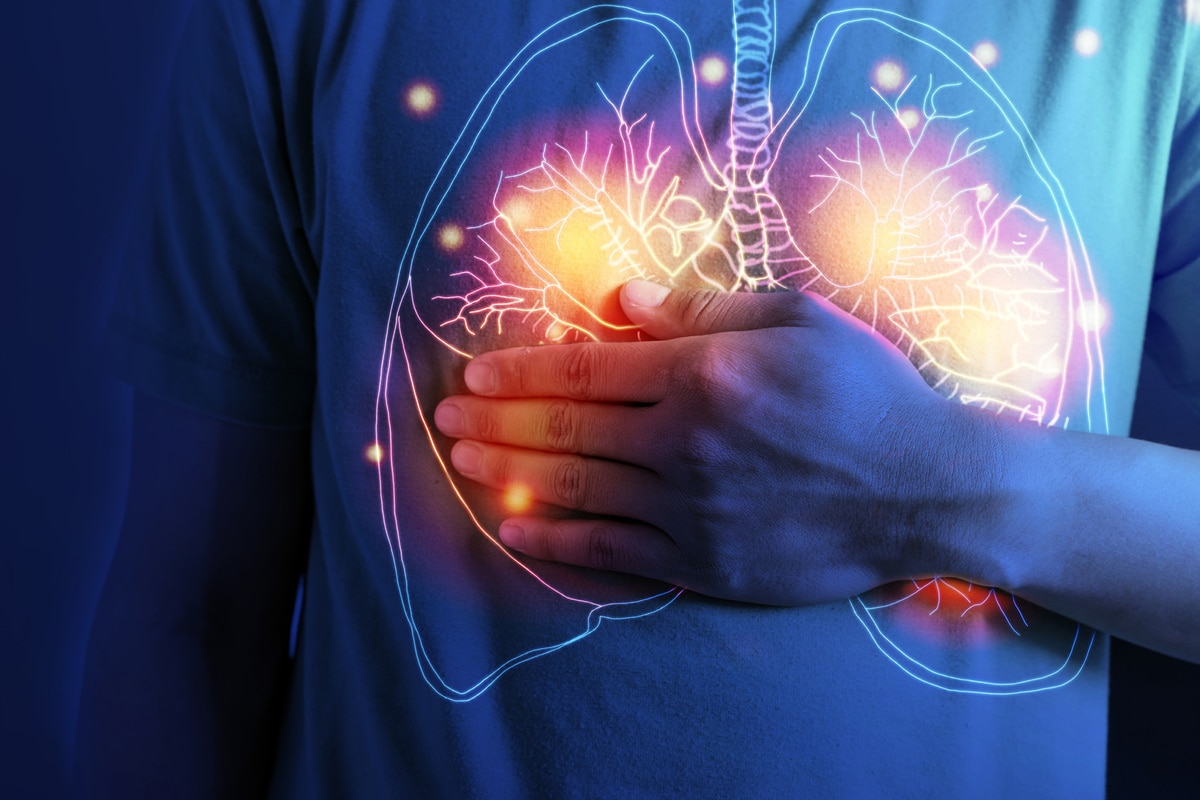
How emphysema evolves after quitting smoking depends on how advanced the lung disease is when you stop. Alveoli that have already been destroyed do not regenerate, but stopping smoking slows the progression of this respiratory disease and lowers the risk of it getting worse [1]. This article looks at what improves, what stays irreversible, the timeline of benefits and the steps that help preserve lung function.
🔑 KEY TAKEAWAYS
- Pulmonary emphysema is a chronic disease caused by the destruction of the alveoli: existing damage is irreversible, but quitting smoking slows down how quickly it gets worse.
- After quitting, the inflammatory load in the airways falls within a few weeks, which reduces how often respiratory infections and flare-ups occur.
- Forced expiratory volume in one second (FEV1) declines half as fast in former smokers as in those who carry on smoking [2].
- Emphysema is most often part of chronic obstructive pulmonary disease (COPD): it is never too late to benefit from quitting smoking, whatever the stage.
- Additional measures (pulmonary rehabilitation, physical activity, vaccinations) build on the benefits of quitting for quality of life.
Does emphysema change after quitting smoking?
Quitting smoking does not repair alveoli that have already been destroyed, but it significantly changes the course of the disease. Emphysema progresses more slowly, the inflammatory load decreases and some respiratory symptoms ease.
What can improve
- Breathing capacity stabilises: the decline in FEV1 returns to a rate comparable to that of someone who has never smoked [2].
- Lung infections (bronchitis, pneumonia) become less frequent thanks to the partial regeneration of the bronchial lining.
- Breathlessness on exertion gradually decreases in most of the people affected.
- Overall quality of life improves: better sleep, greater tolerance of physical activity and less fatigue.
What does not fully come back
Alveoli destroyed by emphysema do not rebuild themselves. The loss of surface area for gas exchange between air and blood is permanent. The lungs keep an increased residual volume, and lung function does not return to its pre-disease level. The aim of quitting is to stop things getting worse, not to erase existing damage.
Understanding pulmonary emphysema and its link with COPD
Pulmonary emphysema is a chronic disease that destroys the alveoli, the tiny air sacs deep inside the lungs. This destruction reduces the surface area available for exchanging oxygen and carbon dioxide.
Why the alveoli play a central role
The alveoli transfer oxygen into the blood and remove carbon dioxide. In someone with emphysema, the alveolar walls break down and merge, creating large pockets of trapped air. The lungs lose their elasticity and air stays trapped in the chest with every breath out.
This process causes an increase in chest volume (barrel chest) and a drop in the amount of oxygen reaching the blood with each breath.
Emphysema, COPD and obstructive lung disease
COPD covers two components that often coexist: chronic obstructive bronchitis (inflammation of the airways) and emphysema (destruction of the alveoli). Together, these two mechanisms lead to a gradual obstruction of the airways.
Centrilobular emphysema, the most common form, first affects the upper areas of the lungs. There are also panlobular forms, sometimes linked to alpha-1 antitrypsin deficiency, a rare genetic condition [3].
Want to quit smoking?
Laser auricular reflexology supports your quit journey. A single session of about one hour, with personalised follow-up for 12 months.
Why smoking makes emphysema worse
Smoking is the main cause of pulmonary emphysema. The toxic substances in smoke sustain a cycle of destruction that speeds up over the years of smoking.
Tobacco substances and lung destruction
Tobacco smoke contains more than 4,000 chemical substances, several of which cause chronic inflammation of the airways [4]. Tar and free radicals gradually destroy the alveolar walls. The lungs’ protective enzymes (antiproteases) are overwhelmed by this constant chemical attack.
Inflammation, trapped air and reduced oxygen exchange
Chronic inflammation thickens the bronchial walls and increases mucus production. Air stays trapped in the damaged alveoli, which reduces the volume of fresh air available with each breath in. Oxygen exchange gradually declines, which explains the growing breathlessness of smokers with emphysema.
Why carrying on smoking speeds up progression
Every cigarette smoked reignites inflammation and alveolar destruction. Emphysema progresses two to three times faster in people who carry on smoking than in those who stop [2]. The risk of severe flare-ups, respiratory infections and respiratory failure increases with every additional year of smoking.
Timeline of changes after quitting smoking
Quitting smoking produces measurable effects from the very first weeks. The timeline varies with the stage of the lung disease and how long the person has smoked.
In the first days and weeks
Within 48 to 72 hours of quitting, carbon monoxide is cleared from the blood. Tissue oxygenation improves, even if lung function does not yet change noticeably.
Coughing may increase temporarily: the bronchial cilia, paralysed by smoke, start working again and clear the accumulated mucus. This sometimes disconcerting effect is a sign of recovery. Breathlessness may seem unchanged or slightly worse in the first few weeks before it eases.
After a few months: stabilisation and a lower inflammatory load
Between the second and sixth months, the inflammatory load in the airways falls. Respiratory infections become rarer and COPD flare-ups less frequent [5].
The bronchial lining partially repairs itself. Less mucus is produced and breathing becomes easier. People with moderate emphysema often notice better exercise tolerance at this stage.
In the long term: slower progression
After one year and beyond, the key benefit is a slower decline in respiratory function. FEV1 keeps falling with age (a natural process), but at a normal rate, comparable to that of someone who has never smoked [2].
People who quit smoking before emphysema reaches an advanced stage keep a better quality of life in the long term. The risk of needing supplemental oxygen falls. Life expectancy improves significantly compared with those who carry on smoking.
Which symptoms can change after quitting?
The symptoms of emphysema do not all fade at the same pace. Some improve quickly, while others persist because of irreversible lung damage.
Breathlessness, shortness of breath and breathing
Breathlessness on exertion gradually decreases in most of the people affected. Breathing at rest stays stable or improves slightly. People with severe emphysema sometimes keep some residual breathlessness, linked to the permanent destruction of part of the alveoli.
Cough, phlegm and chest discomfort
A productive cough (with mucus) often increases in the first weeks after quitting, then eases over the months. Chest discomfort linked to lung distension may persist. New chest pain or a sudden worsening should prompt a quick visit to a respiratory specialist.
When symptoms mean you should see a doctor again
If breathlessness gets worse despite quitting, if a fever comes with an unusual cough, or if oxygen saturation drops, seek medical advice promptly. These signs may point to a respiratory infection, a COPD flare-up or a complication that requires your medical follow-up to be adjusted.
Quitting or carrying on smoking: the impact on emphysema progression
Comparing people who quit smoking with those who carry on shows clear differences in how the lung disease progresses.
| Quitting smoking | Carrying on smoking | |
|---|---|---|
| FEV1 decline | Slower (normal rate) | Faster (2 to 3x quicker) |
| Lung infections | Less frequent | Frequent and more severe |
| COPD flare-ups | Reduced by 30 to 50% [5] | Frequent, risk of hospital admission |
| Need for oxygen | Delayed or avoided | Progression towards respiratory failure |
| Quality of life | Gradual improvement | Continuous decline |
| Life expectancy | Significantly increased | Reduced |
This table confirms that quitting smoking remains the most effective measure at every stage of pulmonary emphysema, even once the disease is established.
Diagnosing and monitoring pulmonary emphysema
Diagnosis is based on a clinical examination, spirometry (measuring FEV1 and airflow) and a chest CT scan. These tests show how far the alveolar destruction extends and how severe the airway obstruction is.
Pulmonary function tests measure lung volumes, the capacity to diffuse oxygen and the volume of trapped air. A respiratory specialist interprets these results to tailor the care and support measures.
Regular monitoring (every 6 to 12 months) assesses how the disease is progressing, the effect of current care and whether support needs adjusting. This monitoring is especially valuable after quitting smoking, to measure the benefits achieved.
Steps to slow the progression of emphysema
Quitting smoking is the most effective way to slow the progression of emphysema [1]. Several complementary measures add to its benefits.
Medical care: bronchodilators, oxygen and rehabilitation
Bronchodilators, prescribed as first-line medication in COPD, relax the airway muscles and help air flow. Pulmonary rehabilitation combines tailored physical exercise, education and psychological support. Long-term oxygen is reserved for advanced forms with chronic respiratory failure.
In the most severe cases, a lung transplant may be considered once all other options have reached their limits.
Physical activity, vaccinations and infection prevention
Suitable physical activity (walking, cycling, swimming) improves exercise tolerance and quality of life. It is an integral part of pulmonary rehabilitation.
Vaccinations (flu, pneumococcus, COVID-19) reduce the risk of infections that trigger flare-ups and speed up the progression of the disease [5]. A balanced diet and avoiding any exposure to inhaled toxic substances complete these measures.
It is never too late to quit smoking
Even in people with advanced emphysema, quitting smoking brings measurable benefits: fewer flare-ups, fewer infections, a better quality of life and a longer life expectancy [2]. The question is not “is it too late?” but “what benefit can I still gain?”. The answer is always positive, whatever the stage of the disease. If you are looking for how to quit smoking, several methods exist and can be combined.
Breaking free from tobacco to protect your lungs
If you want to break free from tobacco to slow the progression of emphysema, stopping smoking is the first step. Reset Laser offers a drug-free, non-medical laser auricular reflexology session using a soft low-intensity laser, lasting about one hour, to support you as you quit smoking. Everyone receives 12 months of support: if you relapse during the year, a free support session is offered. To find the centre nearest to you, book an appointment at one of our centres.
In summary
Emphysema follows a clear pattern after quitting smoking: destroyed alveoli do not regenerate, but the lung disease progresses much more slowly, infections become rarer and quality of life improves. Stopping smoking remains the most useful step at any stage of emphysema. If you still smoke and are affected by this respiratory disease, every day without a cigarette counts for your lungs.
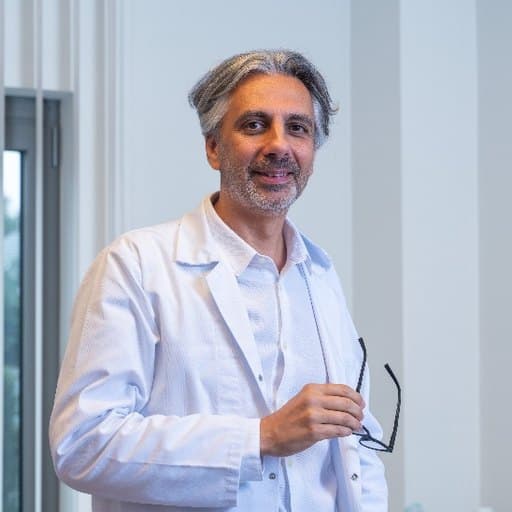
OUR EXPERT’S ADVICE
Bruno Couderc — Practitioner in auricular reflexology and support coaching
« Many people with emphysema stop smoking, notice nothing dramatic after three weeks, and conclude that it is too late. The real indicator is not how you feel: ask your doctor for a spirometry test before you stop, then another one twelve months later. The FEV1 figure shows what your breathing cannot tell you yet. And if your cough gets worse in the first few weeks, do not mistake it for a deterioration: that is often the moment people light up again, when in fact the airways are just starting to clear themselves again. »
FAQ – Emphysema and quitting smoking
Do the lungs repair themselves after quitting smoking?
The bronchial lining partially repairs itself within a few months, which helps clear mucus and reduces infections. Alveoli destroyed by emphysema, however, do not regenerate. The main benefit is a slower progression of the lung disease.
Can emphysema stabilise?
Emphysema can stabilise after quitting smoking, in the sense that the decline in lung function returns to a normal rate. The disease does not go away, but its progression slows enough to preserve quality of life for many years.
Can you improve your breathing with COPD?
Pulmonary rehabilitation, suitable physical activity and bronchodilators improve breathing and exercise tolerance in people with COPD. Quitting smoking adds to these benefits by reducing airway inflammation.
Why do I have chest discomfort after quitting smoking?
Chest discomfort after quitting may come from the lung distension caused by emphysema or from the bronchial cilia becoming active again. If this discomfort comes with sharp pain, fever or sudden breathlessness, see a respiratory specialist quickly.
When does oxygen become necessary?
Long-term oxygen therapy is prescribed when oxygen levels fall below a critical threshold at rest (generally PaO2 < 55 mmHg). This stage corresponds to advanced chronic respiratory failure, which affects a minority of people with emphysema.
Is a lung transplant ever considered?
A lung transplant is reserved for the most severe forms of emphysema, when other options are not enough and quality of life is seriously affected. It remains rare and is subject to strict medical criteria and the availability of a donor lung.
Sources
- World Health Organization (WHO), "Bronchopneumopathie chronique obstructive (BPCO)" (Chronic obstructive pulmonary disease), 2024. who.int
- Anthonisen NR et al., "Effects of smoking intervention and the use of an inhaled anticholinergic bronchodilator on the rate of decline of FEV1 – The Lung Health Study", JAMA, 1994. pubmed.ncbi.nlm.nih.gov
- Stoller JK, Aboussouan LS, "Alpha1-antitrypsin deficiency", The Lancet, 2005. pubmed.ncbi.nlm.nih.gov
- Institut national du cancer (INCa, French National Cancer Institute), "Composition de la fumée du tabac" (Composition of tobacco smoke), 2023. e-cancer.fr
- GOLD Reports, "Global Strategy for the Diagnosis, Management, and Prevention of COPD", 2024. goldcopd.org
This article is for information only and does not replace the advice of a healthcare professional. Laser auricular reflexology is a non-medical method of support for quitting smoking. If you have respiratory symptoms or a diagnosed lung disease, consult your doctor or a respiratory specialist.
Ready to take the leap?
Join the thousands of people supported by Reset Laser on their journey to quit smoking.