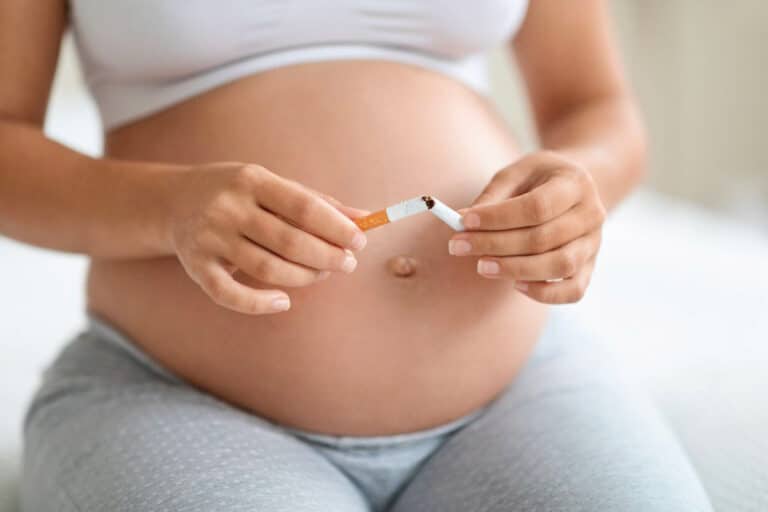
What are the consequences of passive smoking during childhood?
You may not smoke in front of your child. Yet, as soon as a cigarette is lit in their environment, they too breathe in the tobacco smoke. This is what we call passive smoking during childhood: an unintentional, but very real, exposure to the harmful substances contained in the smoke.
Often underestimated, this phenomenon can nevertheless have significant consequences on children’s health. In this article, Reset Laser explains what the consequences of passive smoking during childhood are and why it is important to protect the youngest.
What is passive smoking during childhood?
Passive smoking refers to the inhalation of cigarette smoke by a non-smoker. In children, this involuntary inhalation most often occurs at home, in the car, near smoking parents or a smoking entourage.
The problem: tobacco smoke spreads through the air and contains many toxic substances, some of which are carcinogenic. Even when you are not smoking, secondhand smoke residues can remain in the environment, such as on clothes and skin, and continue to expose the child. This is what is known as thirdhand smoke.
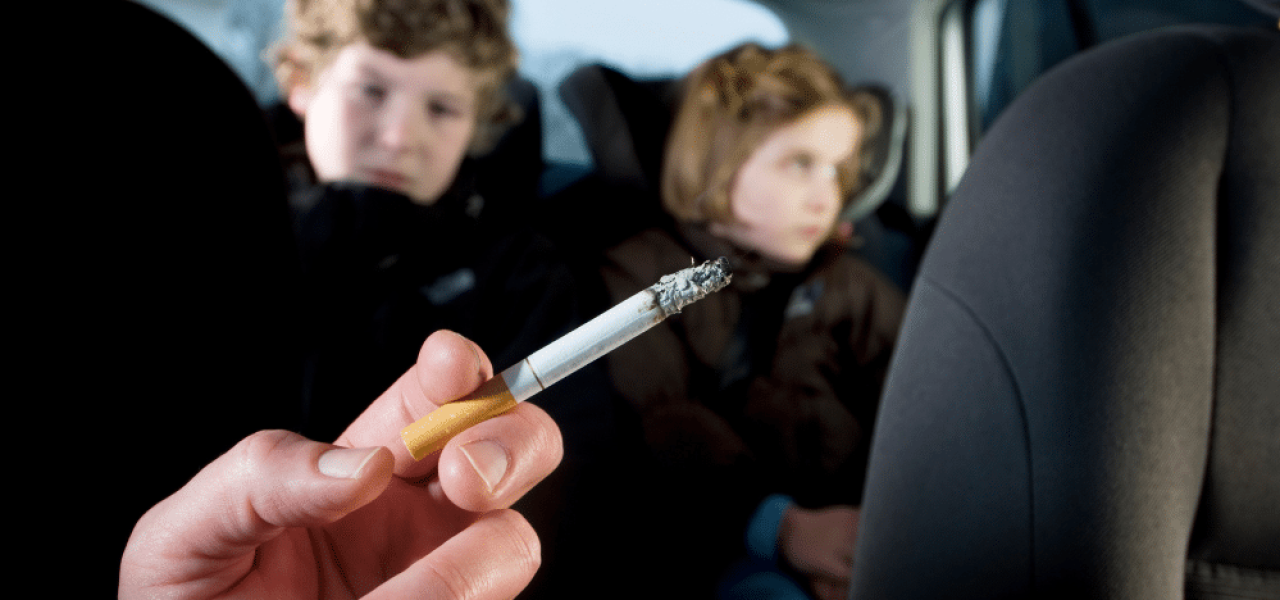
What is the risk of passive smoking during childhood?
A higher risk of irritation
Passive smoking during childhood first causes immediate effects on the respiratory tract. Tobacco smoke can irritate the eyes, throat, nose and bronchi. In children, this can lead to a feeling of discomfort, coughing, tingling in the throat or irritation of the mucous membranes.
Frequent respiratory and ENT illnesses
Over time, exposure to smoke weakens the lungs and maintains an inflammation of the airways. In the youngest, this can promote the appearance of colds, rhinopharyngitis, ear infections, but also more serious respiratory illnesses such as bronchiolitis, bronchitis, pneumonia or asthma.
In children who are already sensitive on a respiratory level, smoke can also worsen existing symptoms. Wheezing, coughing and asthma attacks are often more frequent.
A more fragile body when faced with allergies
Smoke can also disrupt a child’s immune system and promote a more inflammatory terrain. Over time, it can increase sensitivity to infections and contribute to the development of certain allergies, such as eczema, allergic rhinitis or allergic asthma.
An example that may encourage smoking
Growing up in an environment where tobacco is present can also influence future behaviours. Children exposed to smoking in their surroundings have a higher risk of considering the cigarette as a normal habit. Limiting all contact therefore helps to protect their health, but also to reduce the risk of dependence in adolescence and adulthood.

How to protect children from passive smoking?
Adopting protective measures at home
The best way to limit the danger of passive smoking during childhood is to reduce their exposure to tobacco smoke as much as possible. In practice, this involves a few prohibitions: never smoke inside the home and do not smoke in the car, even when the window is open and your children are not present.
Cigarette smoke remains in the air for a long time and can soak into fabrics, furniture or clothing. A child can therefore continue to be exposed to harmful products, even if you do not smoke in their presence. To avoid any impact on their health, it is best to avoid smoking altogether in the spaces where children live and in the places they regularly occupy.
Avoiding situations of exposure
Certain everyday situations can also encourage the exposure of the youngest to tobacco smoke: places frequented by smokers, family gatherings or public spaces where several people smoke nearby. Being attentive to the environment in which they evolve therefore helps to reduce the impact on their health.
The best prevention: quitting smoking
The most effective protective solution, however, remains quitting smoking. By quitting smoking, you eliminate the main source of exposure to smoke in the family environment.
Quitting smoking also helps to preserve the health of the whole family and to reduce the risks of many tobacco-related illnesses in adults. It is an important step in offering children a healthier environment and protecting them in the long term.
Reset Laser: a gentle method to quit smoking
By removing the cigarette from your daily life, you eliminate the main source of secondhand smoke in the family environment. At Reset Laser, we offer a natural smoking cessation method, based on laser auriculotherapy. By stimulating specific points located on the ear, this session acts on the mechanisms involved in nicotine dependence. The process is gentle, painless, without medication and without nicotine substitutes.
Why choose RESET Laser Institute
The best method to quit smoking
Specialist
Our practitioners are trained to support you effectively throughout your journey.
Satisfaction
Feedback from our clients reflects our success. Rated 4.9/5
Painless
Non-invasive and painless, our method is accessible to everyone.

Stress-free
You free yourself from your addictions and quit smoking without weight gain, without stress, and without compensation.
Personalized support
Because each person is different, we offer personalized support.
1-year guarantee
Confident in the effectiveness of our technique, we offer a new session free of charge in case of relapse within 12 months.